
Top Tools for Marketing Agencies (Updated for 2024)
The world of marketing is a digital place, and it’s full of deep data. You…

Just as identifying competitors is an important part of any business plan, it plays a big part in creating a successful SEO strategy. If you’re looking for the ideal blueprint to make it to the top of the SERPs in your niche, then what better way than to look at those companies already dominating the search results? In order to do this though, you’ve first got to be able to identify who you are competing with.
The internet is a very big place though, and it’s one that is constantly changing, so it can be difficult to figure out who you are competing with and perhaps more importantly, who you should be competing with. Digital marketing gurus are always stressing the importance of keyword researchKeyword research helps websites unearth the best keywords to drive traffic and visibility. This research is supported by a number of powerful web-based tools, the best of which we’ve listed here., and with good reason – it makes a big difference. However, if you don’t first understand your competition then that keywordKeywords are the words and phrases that potential customers might search for to find your business. research is going to have less meaning.
Sure, you can find that “running shoes” gets a hundred thousand queries a month on Google, but what’s that worth if you don’t know you’re competing with multimillion-dollar companies?
Identifying your competitors and understanding the strengths and weaknesses of their SEO campaigns helps you to focus in on the most effective keywords and understand how to go about ranking well for those keywords. So, how do you go about identifying your competitors?
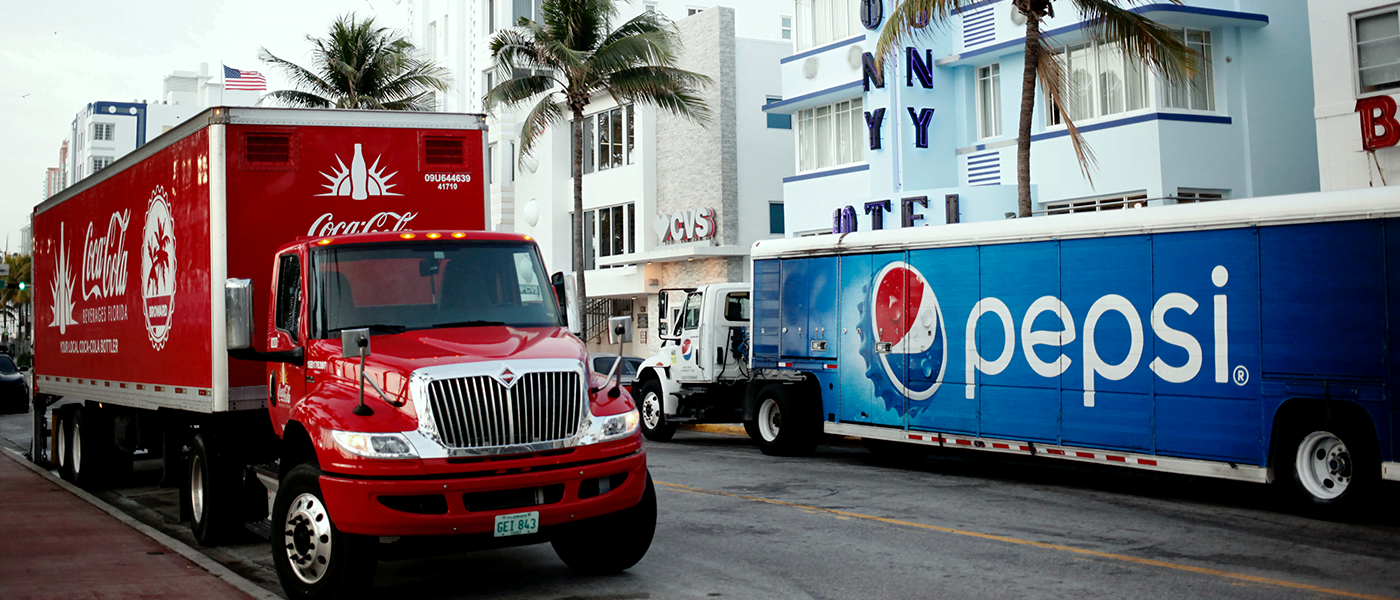
When you’re working with SEO, you will notice that your company is up against a range of competitors that compete against you in a variety of ways. For example, if your product is running shoes, then an obvious competitor is Nike because they make running shoes too, but then you’ve also got different types of competition like Amazon and Wikipedia.
Yes, Wikipedia! When it comes to the SERPs, there are probably going to be some keywords you’ll want to rank for with your running shoes company where Wikipedia ranks first. There are many different forms of competition on the internet, but they generally fall into one of four categories.
Your direct competitors are generally the easiest to identify. These are the companies offering the same product or products you are — for example, Apple and Microsoft, or Mercedes and BMW.
Indirect competitors might sell different products to you but there is some cross-over with a product or some products you sell. If you look at the search engine function of Google, it faces indirect competition from Facebook and YouTube. They don’t all offer the same products, but they each sell advertising.
These competitors can be difficult to identify because they compete for the same customers without offering the same products or services. In this case, EA Sports could be a competitor to Penguin Books. One makes video games, the other makes books, but they’re both competing as entertainment sources in people’s free time.
These are the competitors that are competing with you to be ranked for your keywords. Once you’ve narrowed down your keyword targets, these will become obvious to you. These competitors are extremely varied and can often include companies like Wikipedia and Forbes Online.
When you start to dig into your competition, you’ll start to see they break down into either real-world competition or keyword competition. If you’re running a digital campaign, then it’s important that you not only identify these keyword competitors but also take the time to learn about your client’s real-world competitors.
Understanding your real-world competitors is a great way to spot SEO strategy opportunities as much as understanding keyword competitors, so make sure your research is thorough.
Your competitor analysis should inform your SEO strategy because it can show you what areas you are likely to achieve success in. If you know where your competitors are doing well, then you can copy those techniques and even improve on them, and if you know where your competitors are going wrong, you can make sure you don’t make the same mistakes.
To identify your keyword competitors, you first need to compile a keyword list. These keywords should be pertinent to your business and represent the kinds of phrases your customers are likely to be searching for.
If you can build a list of 50-100 keywords, then you have plenty of phrases to analyze and see what brands you’re competing with.
Once you have your keywords, you need to spend time researching what companies are ranking well for those keywords. If you consistently see certain companies ranking highly, then add them to your list of competitors.
When you’ve filled out your list of competitors, it’s time to start to analyze those websites and find out what makes them successful.
If you use a keyword research tool like Moz, you can put your competitor’s domains into the search function and find out all the keywords that the website ranks for and how well it ranks. This will allow you to understand how much traffic your competitors are getting from different keywords and give you a better understanding of the keywords you should be going after.
Now that you have established who your competitors are, you can look at the linksHyperlinks, also known as links, are the connection points on a webpage that take you to other webpages. those companies have created to their pages to help them rank well. Businesses invest a lot of money in link building, so it’s always useful to find out what kind of links they are using.
Once you have a list of your competitors’ links, there’s nothing to stop you from reaching out to those websites and asking for your own link.
By analyzing the content that works well for your competitors you can begin to understand what Google is looking for from your keywords.
You may notice your competition have all written a great blog about “injury prevention and running shoes” but you have some extra information that they didn’t include. So, now you have a blog idea that you know Google likes, and you’ve got the ability to make it even better than the top results.
Find out what content works for your competition and then find ways you can improve on it.
Understanding your competition allows you to get a better picture of which keywords you should be going after and how to go after them. You have to identify your competition, because in some cases, that competition is going to be too stiff for you to compete with.
You’ve got to choose your keywords carefully and that means choosing who you are going to compete with. You know how to identify your competitors, so now use that information to make better decisions about your keywords, and to inform your SEO strategy.

The world of marketing is a digital place, and it’s full of deep data. You…

It’s true: read any standard SEO guide you come across, and they’ll typically be aimed…


Seasonality can have a huge effect on the success of your business. It is imperative to have a strong digital marketing campaign during periods of high consumer demand.

What is Content Marketing? Download Our How-To Guide Today!

Towards the end of September, on the 24th, Google released the second spam update in…

The amount you invest in your link building budget should be based on the realistic…

Search engines aren't the only automated systems accessing, interpreting, and making sense of content found…

There's plenty of scope when creating SEO campaigns. Each industry that turns to experts for…

PR has long supported brands in building authority and spreading awareness, but PR distribution has…

SEO can be complicated. It’s constantly changing and is not a one-and-done job. That’s something…

Google announced it was rolling out a further spam update on August 18, 2026. It…

Growing an SEO agency takes a lot of hard work. You've got to keep up…
Fill out the contact form or give us a call for a free consultation to determine the right digital marketing solutions for the growth of your business.

The team will usually respond within 1 hour.