
How Can Brands Compete in ChatGPT Without Paying for Ads?
AI has become part of how people research and look for products, as well as…


The internet has made an enormous difference to our lives, but none more so than how we go shopping. There is no longer the need to battle the highstreets for the best goods or drive around from shop to shop. We can find it in a matter of minutes by simply typing (or speaking – thanks to the rise in smart speakers and mobiles) to Google.
However, this isn’t to say it is as easy for those eCommerce stores. While everybody might be buying their goods online, how many people actually go further than the first or second results page of Google or Bing or Yahoo? The answer is, not many, and if you are on page three or further, the chances of your product, let alone your company, being discovered becomes much slimmer. The key to success is gaining a higher ranking position on the SERPs by optimising your eCommerce site. However, to be successful, you need a number of strategies behind you, so let’s take a look at just what you need to do.
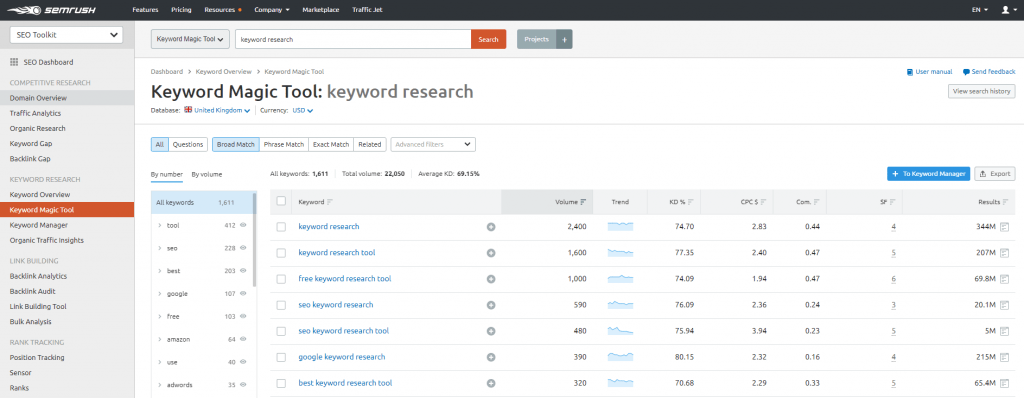
Search engines, like Google, need to know what it is you are selling in order to rank you higher, and there is one way to do this: through keywords. However, it is no good using any old keywordKeywords are the words and phrases that potential customers might search for to find your business.. You need to find relevant keywords that you and your competitors are ranking for, also taking into consideration the search volume and ranking difficulty. It also helps to consider whether your customers are likely to use short-tail or long-tail keywords.
With these keywords discovered, you will need to decide what keyword will be assigned to what page. This is an important step. After all, you don’t want to find that you are competing with yourself because you have the same keyword for multiple product pages.
On-page SEO is about targeting your potential customers and driving this traffic to your site, and so it plays a crucial part. There are several important steps you need to take.
The first step you will take is utilising those keywords you researched. The keywords for each page should be strategically placed not just in your content and product descriptions, but also in your page titles, headers, subheaders, meta title and description, URLs, and even your image file names and alt tags. While this may seem like a lot, especially because your customers won’t even see most of them, if you want your customers to find you organically, then using these keywords is a must!
Good internal linking will show Google the hierarchy of your pages, and which are the most important. Internal linking is a good way to utilise your keywords again, whether it is to another product page or a blog. Just don’t go too crazy with this. Sometimes less is more.
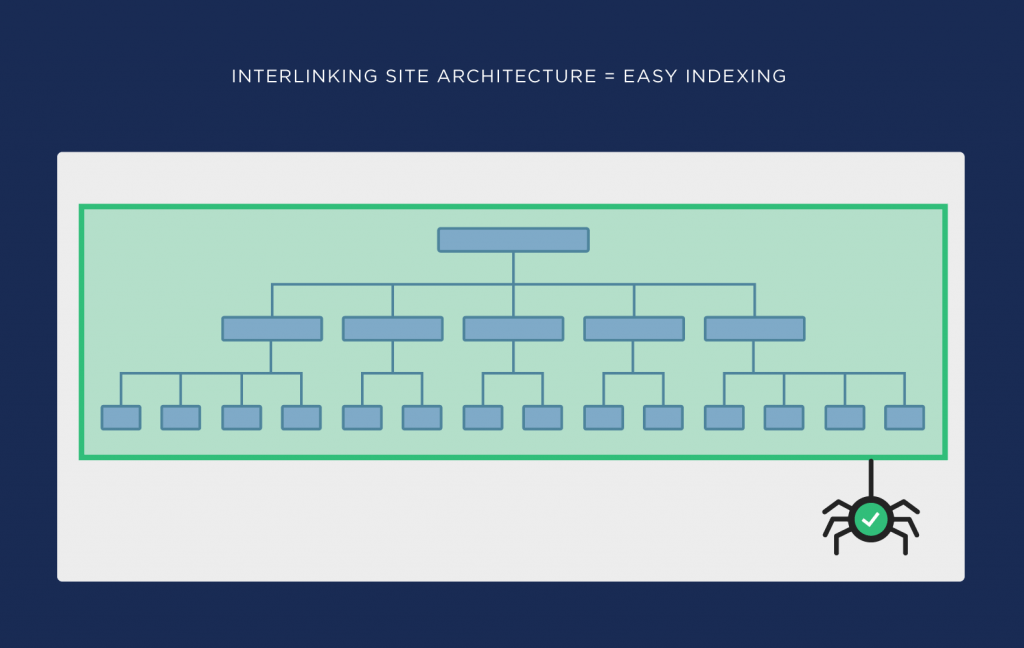
Focus on creating a well-designed site architecture to improve usability. Remember, the longer someone stays and engages with your site, the better Google will rank you. It also makes it much easier to index all of your pages!
Don’t let poor on-page SEO basics hold you back. Instead, keep your site architecture simple.
More than 50% of people use their mobile to shop online now. Therefore, for the best results and more traffic, a mobile-friendly site needs to be meeting the requirements of a fast and seamless experience for the user. Do it well, and you will be rewarded with a higher ranking position. However, if it isn’t optimised, you couldn’t find yourself with a penalty and plenty of bounce rates to go around, both of which can affect your ranking position. Not ideal if you are trying to drive traffic.
There are two aspects you need to focus on:
Page speed: Your website needs to load in less than 3 seconds – anything more will result in high bounce rates.
Design: Your site needs to look great as well as work great – you don’t want a form or buttons that are too small to fill out or click, after all.
Ranking better doesn’t mean making huge changes to your site; it is about fixing issues that might be holding you back. For example, how many pages are showing a 404 error? How fast is your website loading? Problems like these need to be fixed and improved. Google doesn’t like it, and neither will your customers. Fixing these errors will allow you to reduce bounce rates and increase the number of pages that are viewed.
To make site improvements, you need first to audit your site to determine the problems, which could be:
You need to show that your website is active, and the best way to do this is by uploading useful and relevant blog content. Although people are looking to buy products, they also want to know that you are a business they can trust. Content is a great way to do this. It can answer any questions they might have, build up an image of expertise, and attract those searching for long-tail keywords in search engines.
Don’t just build up content on your site, though. Link building will also improve your SEO hugely, targeting specific audiences on 3rd party sites.

AI has become part of how people research and look for products, as well as…

If you’ve ever tested your website using Google PageSpeed Insights, you’ve probably been met with…

Seasonality can have a huge effect on the success of your business. It is imperative to have a strong digital marketing campaign during periods of high consumer demand.

There’s a good chance that you’ve already heard of PPC. As a marketing tool, PPC is invaluable, but there seems…

Towards the end of September, on the 24th, Google released the second spam update in…

The amount you invest in your link building budget should be based on the realistic…

Search engines aren't the only automated systems accessing, interpreting, and making sense of content found…

There's plenty of scope when creating SEO campaigns. Each industry that turns to experts for…

PR has long supported brands in building authority and spreading awareness, but PR distribution has…

SEO can be complicated. It’s constantly changing and is not a one-and-done job. That’s something…

Google announced it was rolling out a further spam update on August 18, 2026. It…

Growing an SEO agency takes a lot of hard work. You've got to keep up…
Fill out the contact form or give us a call for a free consultation to determine the right digital marketing solutions for the growth of your business.

The team will usually respond within 1 hour.