
Top Tools for Marketing Agencies (Updated for 2024)
The world of marketing is a digital place, and it’s full of deep data. You…


When you work on a project or campaign, it’s really useful to be able to see how that campaign performed. For digital marketers, this insight into the effectiveness of your efforts is invaluable, as it can show you the aspects that went well and alert you to anything that might need to be changed.
The best way for digital marketers to obtain the required information to evaluate their projects is to use digital marketing analytics. In short, marketing data analytics software tracks and analyses key metrics and data and then presents the findings to you. This software can track the performance of an entire domain, webpage, or even just a single paid ad or social post. This allows marketers to get really in-depth information to enable them to make better marketing decisions in the future.
For inexperienced SEOs and marketers, this aspect of the industry can be one of the most intimidating parts. Marketing data analytics software thrusts upon users a wide array of metrics and statistics that some might not be familiar with. This can make digital and web analysis hard and overwhelming.
To ensure you’re getting the most out of this software, here’s a clear guide on how to use digital and web analytics software effectively.
It’s easy to think of web analytics as the main type of analytics. This analysis is solely focused on the performance of your website or web pages and particularly has a key interest in metrics such as bounce rate, page views, and data like that.
Due to its strict focus on how your website is performing, web analytics is better suited to on-page SEO specialists, as the information provided by this evaluation style is more meaningful for this domain of digital marketing, which you can learn more about from our Blog.
The issue with web analytics is that it struggles to provide context. When using web analytics alone, it can be tricky to determine why certain metrics are performing in the manner that they are and what to do to improve this performance. For this reason, many digital marketers are turning to marketing data analytics software that can conduct digital analytics.
Digital analytics is a more well-rounded analysis approach and is far more user-focused than the typical web analytics. Digital analytics isn’t just tailored to your web domains but instead provides metrics and information for all your marketing channels, be it socials, emails, or organic search.
The ability to obtain information from all of these sources can help give marketers a better idea of how their campaigns are performing as a whole.
Digital analytics track metrics that can better help inform you how your entire business is performing. Things such as traffic, leads, and total sales are useful metrics to help you obtain vital context and user intent.
To get the best metrics, you need to use the best software. There are a lot of marketing brands out there offering analysis software, all vying for attention, so it can be tough to know which ones to use and trust.
To start with, some of the essential software and tools that you need to utilize are the options offered by Google. Although these pieces of software can be fairly basic, they’re reliable, as the information provided is likely to be the most accurate as the data is coming straight through them.
When investigating different analytics software, you’re likely to find that one option will present you with a different result than another, despite measuring the same metric. This is because tracking all this information reliably can be difficult for second-party software. That’s why many people use Google-provided software, as it’s the most reliable.
The best marketing analysis software from Google is Google Analytics. This marketing data analytics software is more focused on web analytics, as it focuses on providing all the information that you need to see how your website is performing.
The user interface is clean and simple to use and understand, and as a starting point for web analytics, it’s a great piece of software. You can learn more about Google Analytics and digital marketing as a whole on our informative Knowledge Hub.
However, it is advised that you pair this tool with a few other options, especially software that provides more universal digital analytics metrics. Here’s a look at some of the better options.
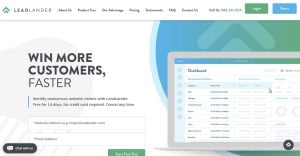
This marketing data analytics software is one of the industry leaders and is a perfect tool for tracking information on customers, clients, and potential leads. What’s awesome about LeadLander is that it provides information about specific prospects, giving you information such as geolocations and potentially even the demographics of these leads.
This information can be invaluable as it will allow marketers to better understand their audience and give them hints on how to better target these leads.
For example, if LeadLander has identified that a good amount of your traffic is from New York, then you’ll be able to use that information to create a Geo-specific campaign to attract those users.
LeadLander straddles the line between digital and web analytics but does so in a way where the tool is beneficial to both aspects of data acquisition, making it a really good tool in both a business and digital marketing sense.
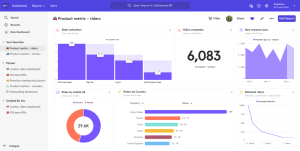
If you’re providing marketing for an online store or e-commerce platform, then Mixpanel is a vital marketing data analytics software option. Mixpanel provides more insightful information on how customers interact with your online products.
This can give you a better idea of how your customers behave and better determine the relationship between customers and your products. The software uses behavior analysis to identify trends so that you’re always in the know of what products are popular and getting attention and which ones are struggling.
With Mixpanel, you’re able to track every recorded interaction a single user has with your website, from their first click-through to the conclusion of their transaction. This can allow marketers to better understand the customer journey and come up with UX or design solutions to make that journey even easier and more appealing.
As an added bonus, Mixpanel also offers A/B testing functionality so that you’re able to analyze which versions of landing pages or social posts work best, allowing you to create solutions that best engage your audience.
The data and information that you can obtain from marketing data analytics software are useful as they can help you plan for and create better campaigns. By making better, more engaging campaigns that generate more conversions and sales, you’ll be able to grow your business.
For example, suppose your digital analytics demonstrates that your email marketing generated a lot of clicks to your website, yet there was a high bounce rateBounce rate is the percentage of visitors to a website who visit only one page. A high bounce rate indicates that visitors are not satisfied with your website.. In that case, this implies that your email marketing should be something that you focus on and implement more in the future. However, this example also demonstrates that you need to make changes to your landing pages, as an obvious issue is turning people away.
Using analytics in this way clarifies how you can grow your business and become more successful thanks to marketing data analytics software.
However, that’s not the only way these metrics and information can help grow your business. One good way is to use these metrics alongside goal planning.
You’re likely to have heard of SMART goals before if you’re used to planning and composing marketing campaigns. These are goals used to help you create more useful plans and better measure your performance against these goals.
SMART is an acronym that stands for:
By ensuring that all of your goals are concerned with these adjectives, you’ll be able to create goals that you can use metrics to help you perform better.
As an example, one of your marketing goals could be to generate 20% more page views from social posts within 3 months. By having a goal like this, you’ll be able to know which metrics you want to focus on as well as what marketing methods and tactics you want to try. The result is a more focused campaign that will be more likely to succeed and help your business grow.
Insights and information are critical for digital marketers. With metrics obtained from web and digital analysis, it’ll be a lot easier to understand how your efforts and projects are performing.
Despite focusing on different aspects of digital marketing, when done in unison, these types of analysis can help provide context for each other and help marketers better understand the reason for their results. In turn, this can help marketers make more optimal decisions and changes to their strategies that can help them grow their business and perform better.

The world of marketing is a digital place, and it’s full of deep data. You…

It’s true: read any standard SEO guide you come across, and they’ll typically be aimed…
Digital marketing is a requirement for any business that wants to entice, engage, and excite customers online. When putting together…


Without the correct tactics, your website doesn’t have a chance of appearing prominently on search engine results pages. Because if…

Towards the end of September, on the 24th, Google released the second spam update in…

The amount you invest in your link building budget should be based on the realistic…

Search engines aren't the only automated systems accessing, interpreting, and making sense of content found…

There's plenty of scope when creating SEO campaigns. Each industry that turns to experts for…

PR has long supported brands in building authority and spreading awareness, but PR distribution has…

SEO can be complicated. It’s constantly changing and is not a one-and-done job. That’s something…

Google announced it was rolling out a further spam update on August 18, 2026. It…

Growing an SEO agency takes a lot of hard work. You've got to keep up…
Fill out the contact form or give us a call for a free consultation to determine the right digital marketing solutions for the growth of your business.

The team will usually respond within 1 hour.