
How Can Brands Compete in ChatGPT Without Paying for Ads?
AI has become part of how people research and look for products, as well as…


Finding out how to measure SEO performance is almost like finding a rare diamond in the rocks! Everyone knows that SEO is important, but most website owners either don’t really understand it or they’ve looked into it and find it so confusing they have been ignoring it ever since.
We meet a lot of website owners like this, so if you are wondering, how do you measure SEO, we thought we’d help with a little demystifying exercise when it comes to the great issue of Search Engine Optimization.
SEO is both very easy and quite hard to explain. In simple terms, it’s a measurement of how well optimized your website is to appear on the Search Engine Results Page (SERP), ideally in positions 1, 2, or 3 — but at least on the first page — sometimes winning the snippet too.
The problem arises when you realize there is no standardized way to ‘score’ your SEO, and with each search engine measuring slightly differently — Google is the biggest followed by Bing and Duck Duck Go — it can be hard to really say for sure if your SEO strategy is working.
To trust your SEO performance, you do need to decide on how you will measure and learn how to evaluate SEO performance.
This is an important part of the equation because SEO relates to organic search (not paid ads), and the results can take a while to even appear, let alone rise to the top. In other words, it’s very unlikely that a brand-new website will appear on page 1 of Google straight after publishing.
In fact, it’s estimated that a new website can take around 38 weeks to rank properly on Google if there has been no intervention, such as buying backlinks or sending traffic from other sources, and if the content on the website is actually good.
 SEO and Analytics
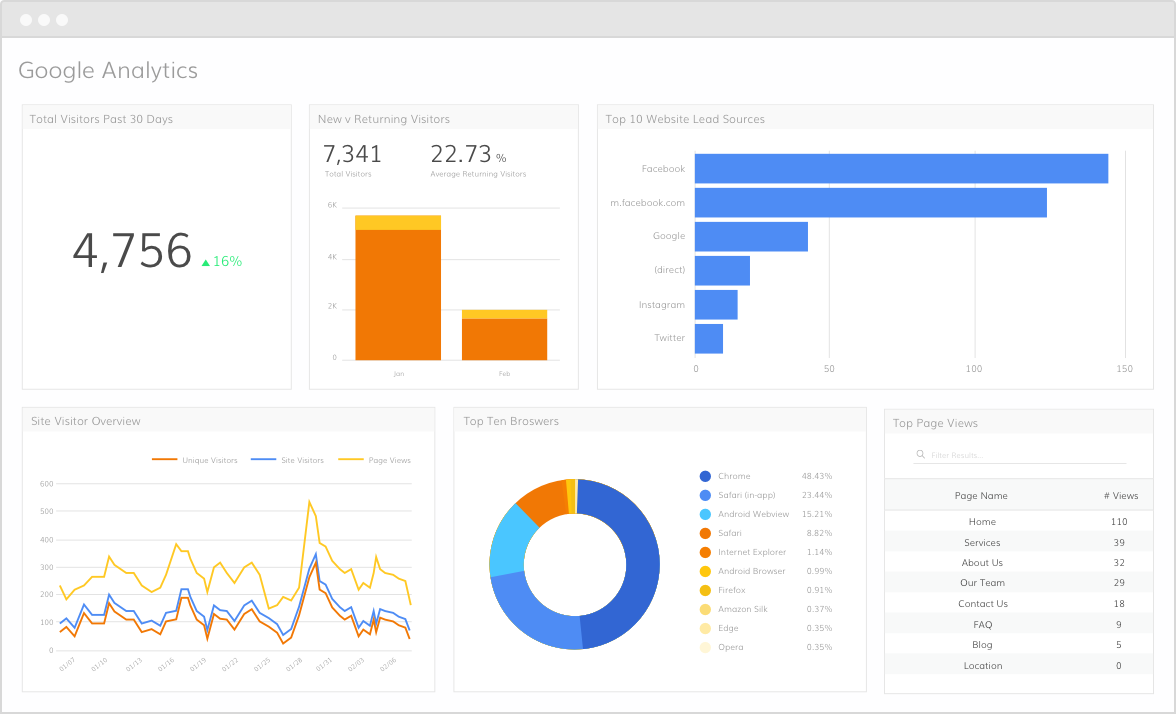
 There are many ways to conduct analytics SEO or measure your SEO data. Most websites will use Google Analytics, as this free platform is a wealth of information and can be connected to both Google Search Console to give you information on keywords and landing pages, and to Google Data Studio for creating better-looking reports and data visualizations.
When you open up Google Analytics, you’ll see that you have more information than you could possibly ever want! Don’t be put off by this though; the most valuable measurement is how many people landed on your pages from organic search. Here’s how to find that information.
Once you have Google Analytics set up on your website, go to Acquisition -> Channels and select either All Traffic or Source/Medium. If you select channels, you’ll be able to see how your users got to your website: was it from Social, Organic Search, Direct, Referral, or Other?
Selecting Source/Medium from this screen will give you more details about the referring websites (i.e. was it Facebook, Google, Bing, etc.).
To check your organic trafficOrganic search traffic (sometimes called natural or unpaid search) is the traffic that's driven to a website because of unpaid placement on a search engine results page., go to Acquisition -> Channels -> Organic Search. From here you may be able to see search terms used to arrive at your website.
This screen would be helpful, and it was a number of years ago, but you may by now have noticed a large proportion of your visitors come from “not provided” or “not set”. This means the user doesn’t share the data with you and you won’t be able to see their search terms.
There is a little hack though: if you click on either not set or not provided, wait for the screen to lead and then click the ‘secondary dimension’ button. Here you’ll be able to set a secondary listing. Search for ‘landing page’ and hit enter. Now you can see what pages the users who were coded ‘not provided’ entered on. This is useful because you can see which pages are getting more organic traffic and take a guess at which ones are performing better for SEO.
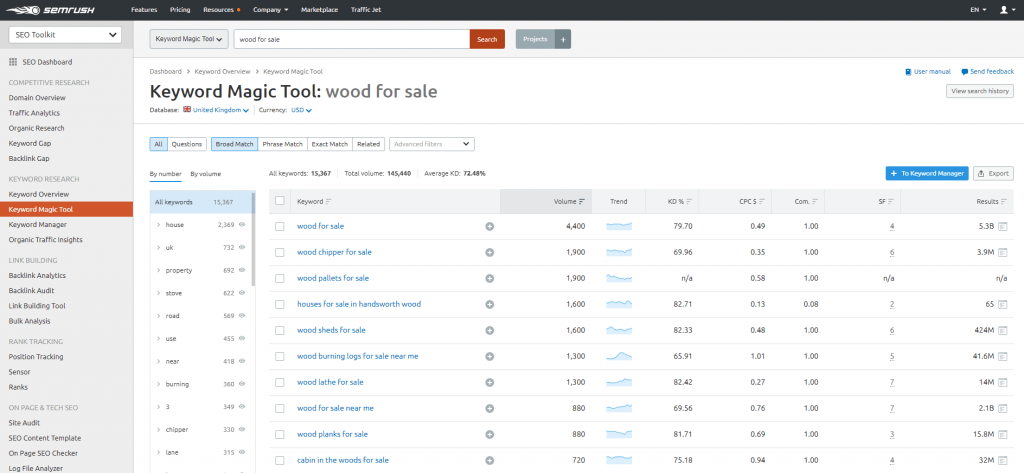
Learning how to measure SEO performance is an important part of running a successful website. There are many tools such as SEO Google Analytics, SEM Rush, Ubersuggest, etc. that can keep track of your SEO performance, and you can even check your own performance by searching your keywords in an incognito window or in a browser you’re not signed into.
If you’re looking for a good SEO measurement tool, SEM Rush and Google Analytics provide some of the best free tools with options to really deep dive into position tracking if that’s something you want to get into.

AI has become part of how people research and look for products, as well as…

If you’ve ever tested your website using Google PageSpeed Insights, you’ve probably been met with…

There’s a good chance that you’ve already heard of PPC. As a marketing tool, PPC is invaluable, but there seems…

The essential eCommerce SEO Handbook, download your free copy today!

The search engine landscape is constantly changing; search in 2022 is no exception. New trends and algorithm updates occur all the time in the search engine world.

Towards the end of September, on the 24th, Google released the second spam update in…

The amount you invest in your link building budget should be based on the realistic…

Search engines aren't the only automated systems accessing, interpreting, and making sense of content found…

There's plenty of scope when creating SEO campaigns. Each industry that turns to experts for…

PR has long supported brands in building authority and spreading awareness, but PR distribution has…

SEO can be complicated. It’s constantly changing and is not a one-and-done job. That’s something…

Google announced it was rolling out a further spam update on August 18, 2026. It…

Growing an SEO agency takes a lot of hard work. You've got to keep up…
Fill out the contact form or give us a call for a free consultation to determine the right digital marketing solutions for the growth of your business.

The team will usually respond within 1 hour.